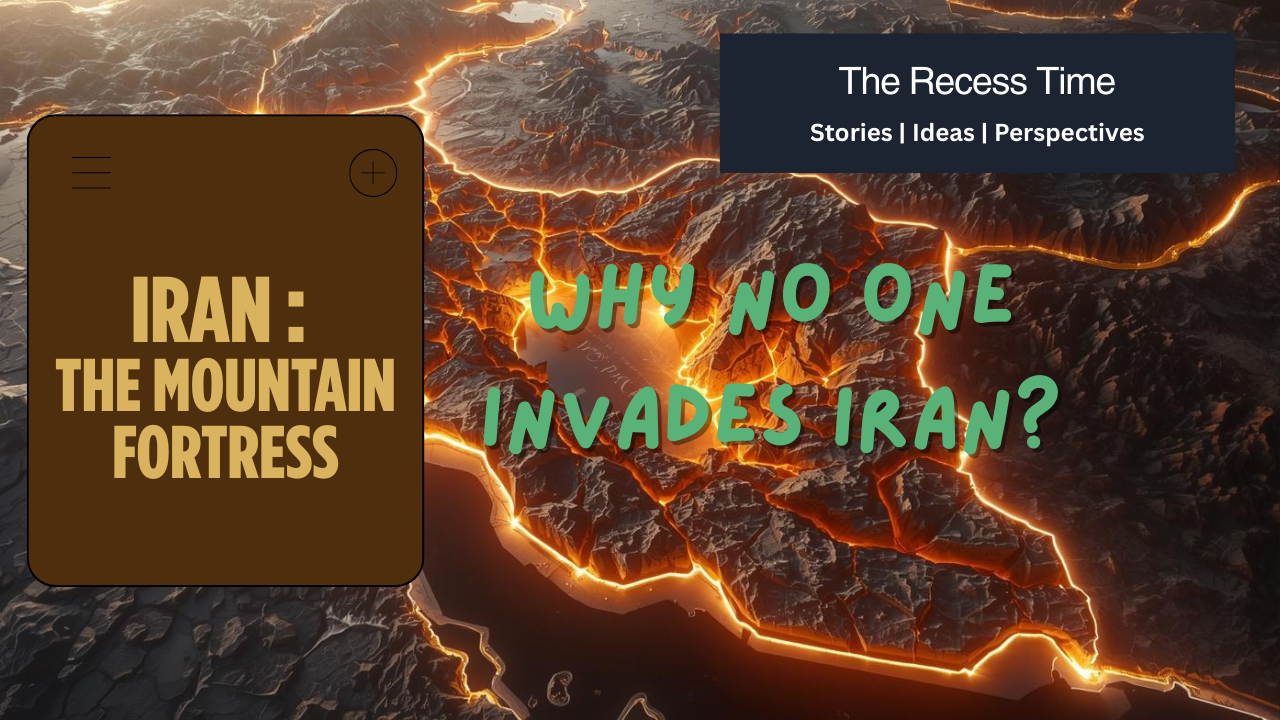
The conflict between Iran and the United States has been one of the most significant geopolitical rivalries in the Middle East for more than four decades. Although the two countries have never fought a formally declared full-scale war, their relationship has been marked by deep political hostility, economic sanctions, proxy conflicts, and periodic military confrontations.
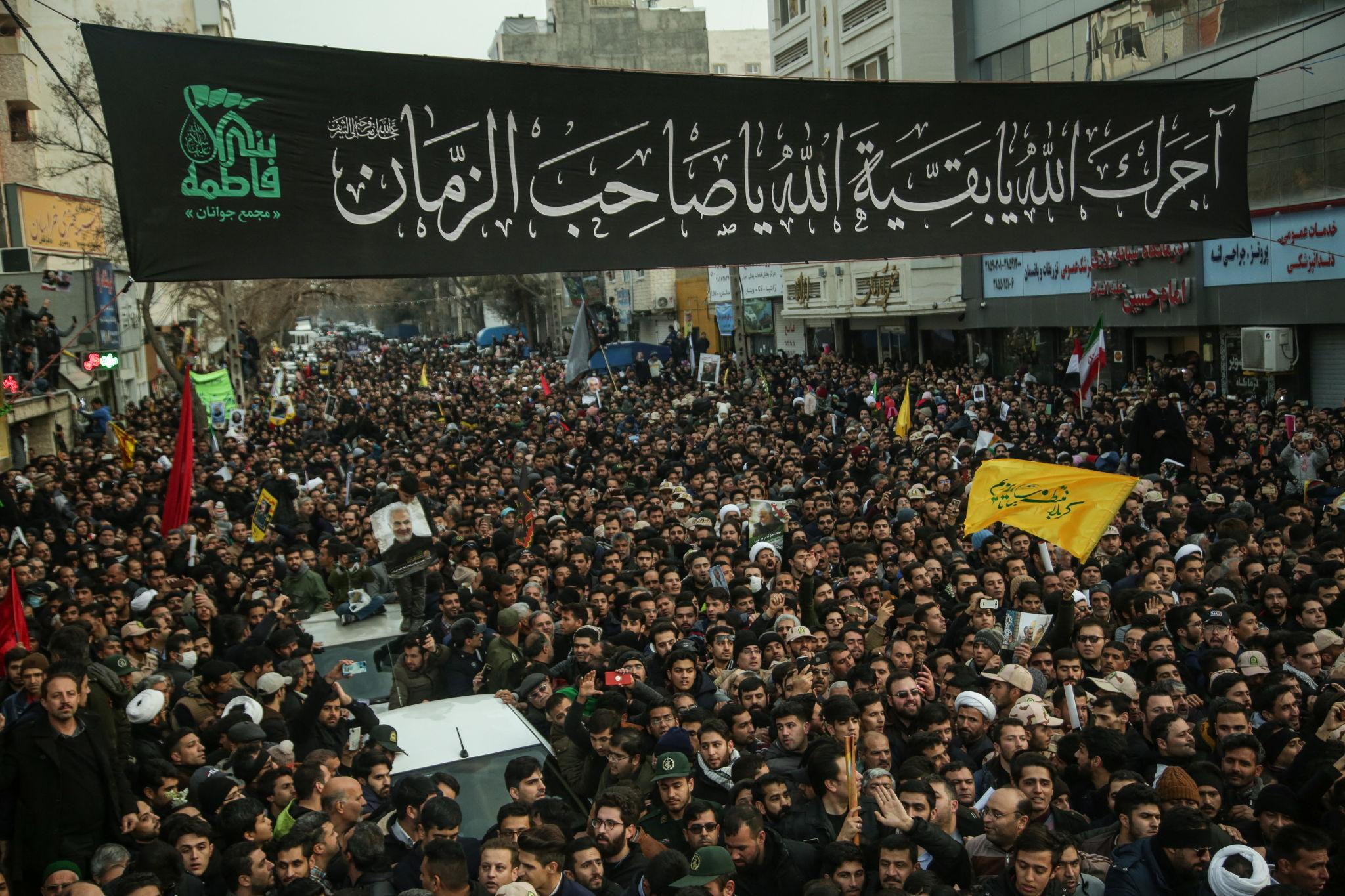
The roots of the conflict trace back to the 1979 Iranian Revolution, which overthrew the US-backed Shah of Iran and established the Islamic Republic. Soon after the revolution, Iranian students seized the US Embassy in Tehran and held 52 American diplomats hostage for 444 days. This event severely damaged relations between the two nations and led to the complete breakdown of diplomatic ties, which still remain suspended today.
Since then, tensions have continued through various regional conflicts and strategic disagreements. The United States has imposed multiple economic sanctions on Iran, primarily due to concerns over Iran’s nuclear program and its support for armed groups in the Middle East. Iran, on the other hand, has accused the US of interfering in regional affairs and attempting to weaken its political influence.
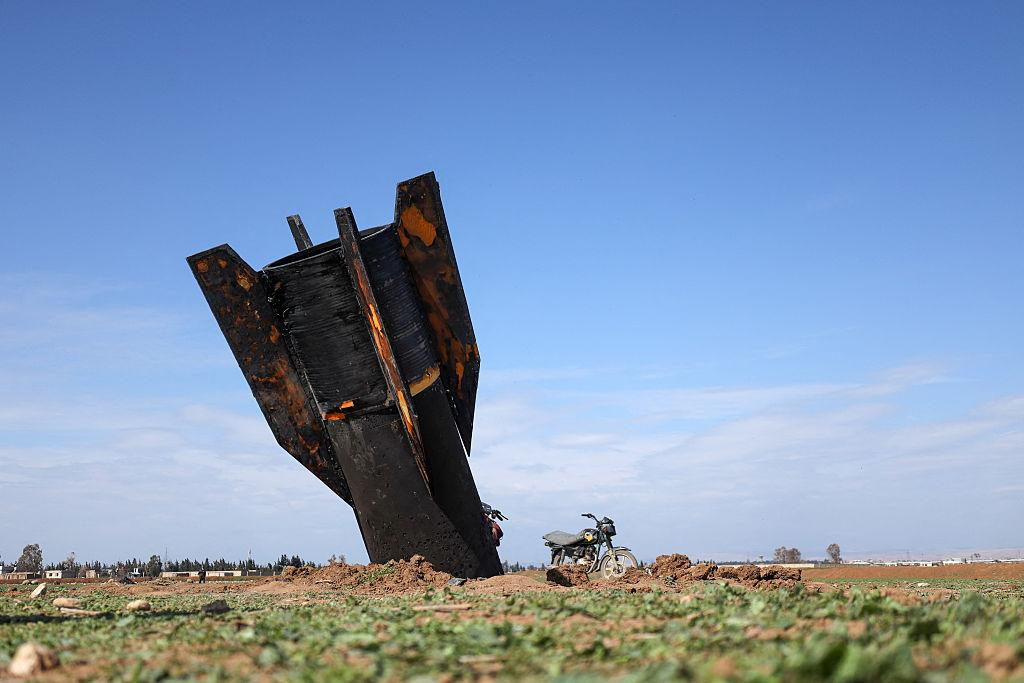
The rivalry has often played out through proxy conflicts in countries such as Iraq, Syria, and Yemen, where groups supported by Iran have occasionally clashed with US interests or allies. One of the most serious escalations occurred in January 2020, when the United States carried out a drone strike in Baghdad that killed Iranian General Qasem Soleimani. Iran retaliated by launching missile attacks on US military bases in Iraq, raising global fears of a direct war. However, both sides avoided further escalation.
Today, the relationship between Iran and the United States remains tense but carefully managed. Diplomatic disputes, sanctions, nuclear negotiations, and regional security issues continue to shape their interactions. Despite periodic crises, both countries have generally avoided entering into a direct full-scale war due to the potentially severe consequences for regional stability and global energy markets.
Written by Vivek Maurya
← All Posts